
Water Heater in the Attic: Leak Risks and What to Check Each Year
Suspending 400 pounds of scalding water directly over finished living spaces is standard in Pflugerville. Learn how to maintain your secondary drain pan and prevent ceiling disasters.
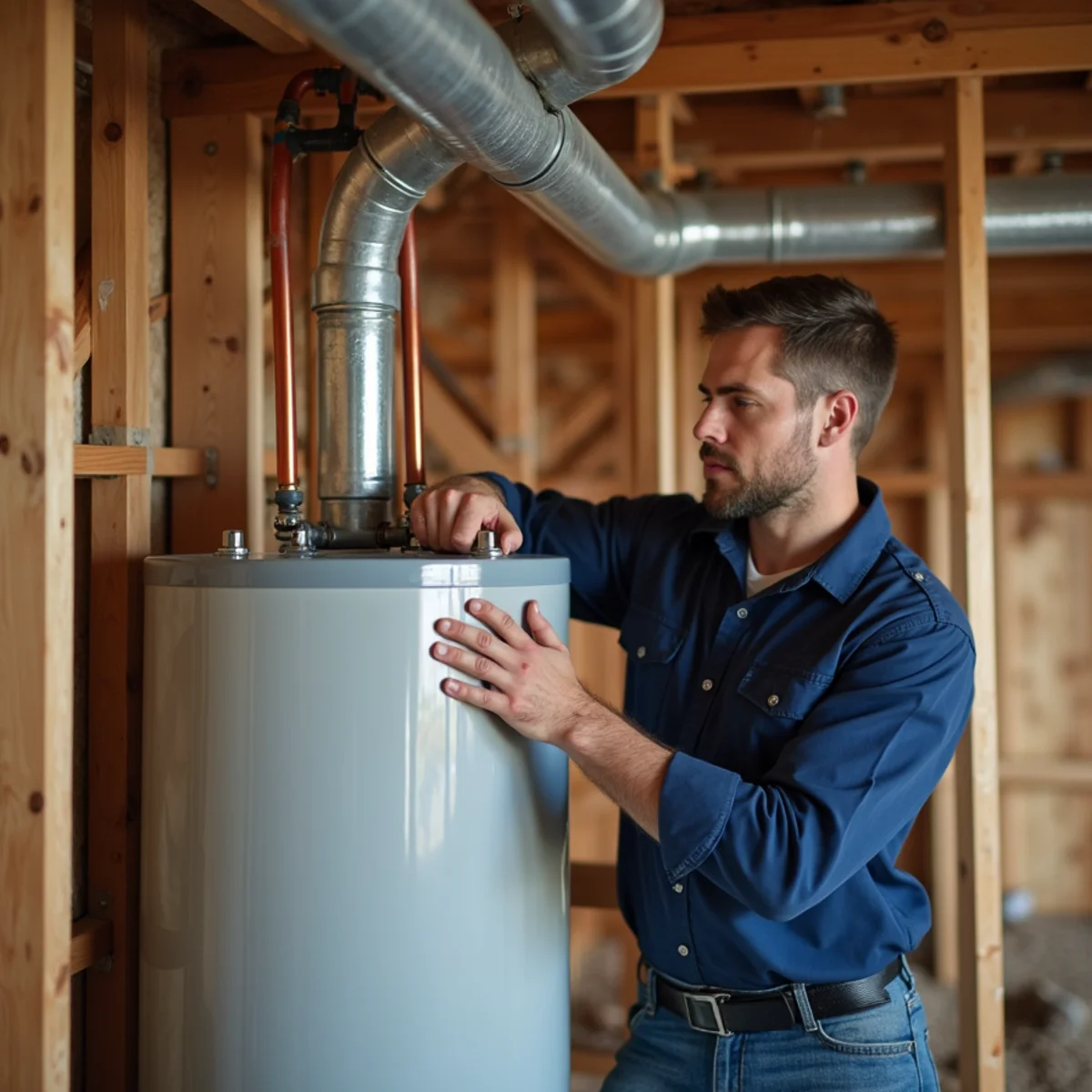
Suspending 400 pounds of scalding water directly over finished living spaces is standard in Pflugerville. Learn how to maintain your secondary drain pan and prevent ceiling disasters.
The Texas Architectural Phenomenon: Why Are Water Heaters in the Attic?
Homeowners relocating to Central Texas are often stunned to discover their primary water heater installed inside the attic rafters. Builders across Pflugerville, Round Rock, and Hutto popularized this practice in the 1990s and 2000s to maximize usable garage space and eliminate utility closets inside the living footprint.
However, a standard 50-gallon water heater weighs roughly 450 pounds when filled with water. Suspending a pressurized steel vessel containing boiling water directly above finished drywall ceilings creates the single greatest internal flood hazard in modern Texas homes.
The Secondary Drain Pan: Your Last Line of Defense
Building codes require attic water heaters to sit inside a secondary drain pan with a dedicated 3/4-inch drain line extending to the exterior of the house (often terminating above a window so homeowners notice water dripping).
Unfortunately, builders often installed cheap plastic pans that become brittle under searing 140°F attic summer heat and crack. Furthermore, dust and insects clog the drain line. If the water heater rusts through, the cracked pan overflows, sending gallons of water crashing through ceiling joists.
Experiencing this issue in Pflugerville right now?
Answering 24/7 across Pflugerville, Hutto & Round Rock
Essential Protection: Automatic Water Shut-Off Valves
Every attic water heater should be equipped with an automatic emergency shut-off valve (such as FloodStop). This system features a moisture sensor placed in the drain pan wired to a motorized brass ball valve on the cold water inlet. The second water touches the pan, the valve automatically cuts off incoming water and sounds an audible alarm, averting catastrophe.
Local Factors Pflugerville Homeowners Must Watch
In Central Texas, plumbing is uniquely influenced by severe shrink-swell cycles in our native Houston Black clay and high mineral concentrations from the Edwards Aquifer. When diagnosing leaks or replacing fixtures, always verify that your plumbing contractor uses commercial-grade copper or Type-A PEX couplings designed to withstand high friction and mineral scale. Never settle for quick unlicensed fixes that void manufacturer warranties or violate International Plumbing Code standards.
Frequently Asked Questions
How often should an attic water heater be inspected?▼
Can I replace an attic tank with an exterior tankless unit?▼
Connected Local Resources & Solutions
Not urgent? Send a request
For non-emergency scheduling, price estimates, and planned fixture installations.
Have an Active Plumbing Emergency?
Call our live Pflugerville dispatch desk now to speak directly with an on-call coordinator.
Call (858) 363-8298More Plumbing Guides
- Burst Pipe in Your Pflugerville Home: What to Do in the First 10 Minutes
- How Much Does an Emergency Plumber Cost in Pflugerville, TX?
- 7 Signs of a Slab Leak in a Central Texas Home on Clay Soil
- How to Keep Pipes From Freezing in a Central Texas Home
- Hard Water in Pflugerville: What It Does to Your Water Heater